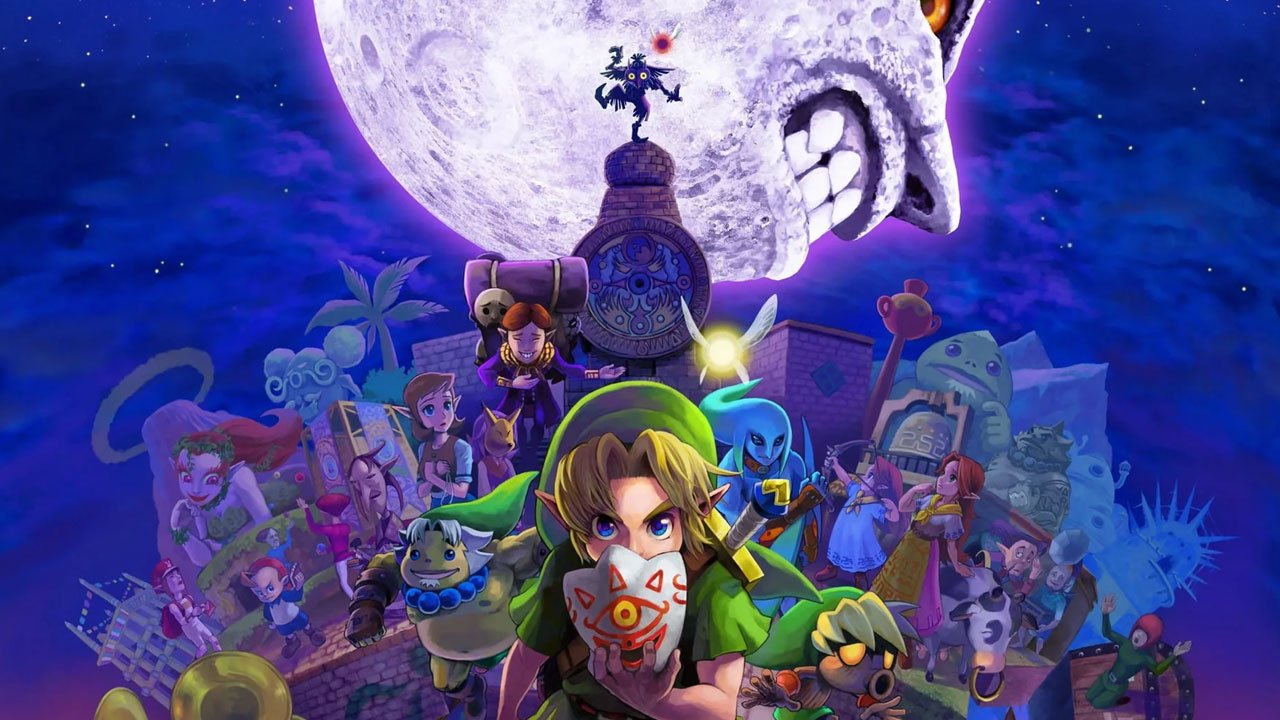
The Majora’s Mask grief theory is one of the most impactful interpretations of the Nintendo classic, revealing a much deeper meaning behind the game. If you have ever paused to stare at the Moon of Termina while the timer at the bottom of the screen shredded your nerves, you know that The Legend of Zelda: Majora’s Mask is no ordinary quest to save the world. It is uncomfortable. Where Ocarina of Time delivered a classic hero’s journey, its direct sequel plunged into something far denser and, for many, purely psychological.
The theory that Link is navigating the five stages of grief in Majora’s Mask is far more than just an internet forum conspiracy theory; it fits the design of every in-game region with surgical precision. Suddenly, that oppressive atmosphere and melancholic NPC dialogue carry real emotional weight: Termina may be a manifestation of accepting one’s own mortality.
The Map That Maps Out Pain
The game drops us into five main areas, and each appears to personify a specific phase of the Kübler-Ross model. The evidence is hard to ignore when examining the behavior of the characters encountered along the path:
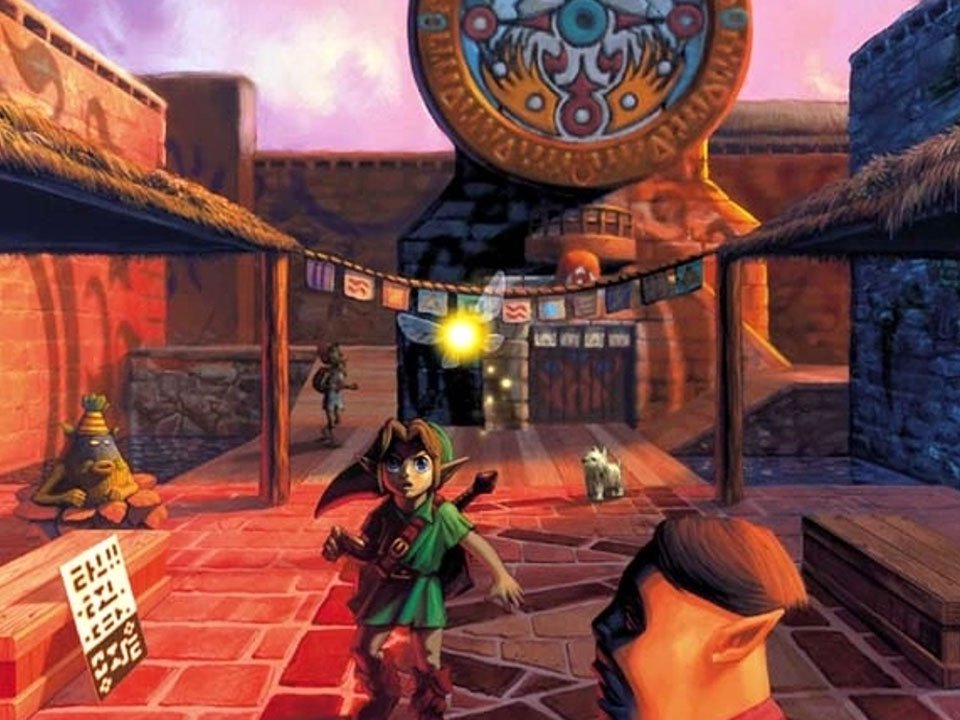
- Clock Town (Denial): The townspeople can clearly see the giant Moon looming above, yet many refuse to believe it will fall. They carry on planning the Carnival of Time, acting as if tomorrow is guaranteed.
- Woodfall (Anger): The Deku King is consumed by blind fury, torturing an innocent monkey for the princess’s disappearance. It represents rage seeking a scapegoat at any cost, refusing logic or empathy.
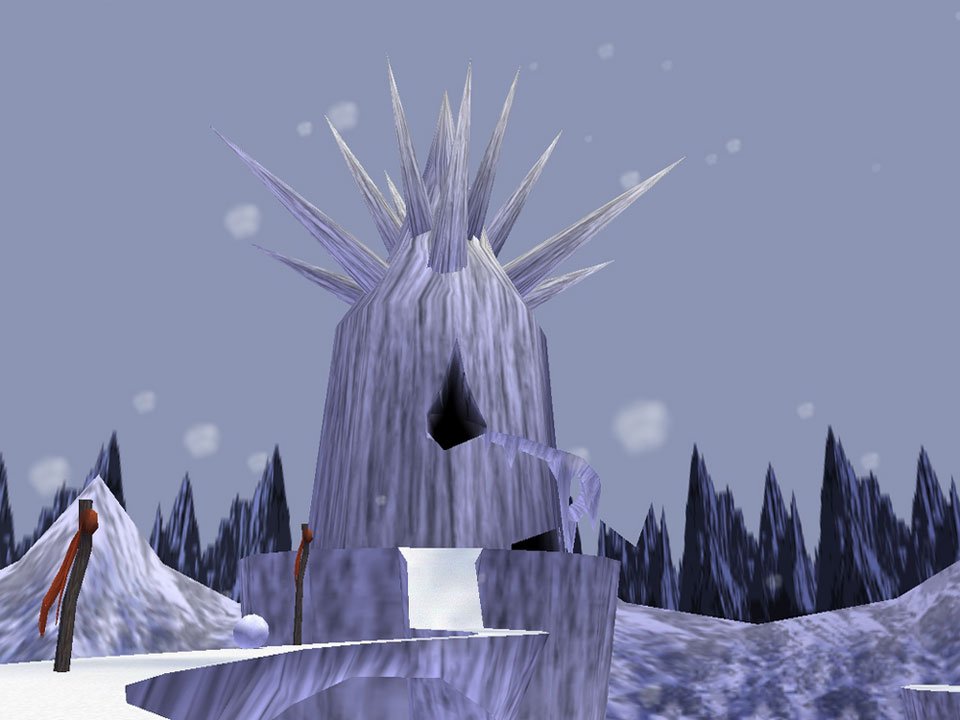
- Snowhead (Bargaining): The ghost of the Goron hero, Darmani, desperately attempts to negotiate with Link. Unable to accept his own death, he begs to be brought back to life through magic, clinging to the belief that he can still fulfill his duty and save his starving tribe.
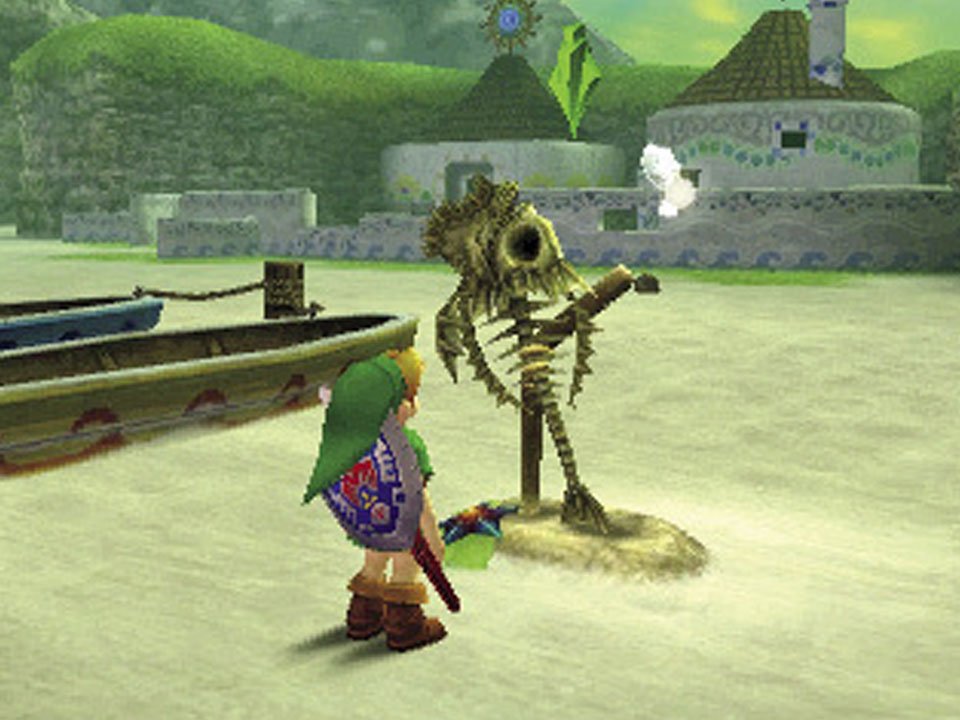
- Great Bay (Depression): The death of the guitarist Mikau and Lulu’s grief-stricken silence create an atmosphere of profound desolation. It represents the phase where all energy drains away, leaving only overwhelming sorrow for what has been lost.
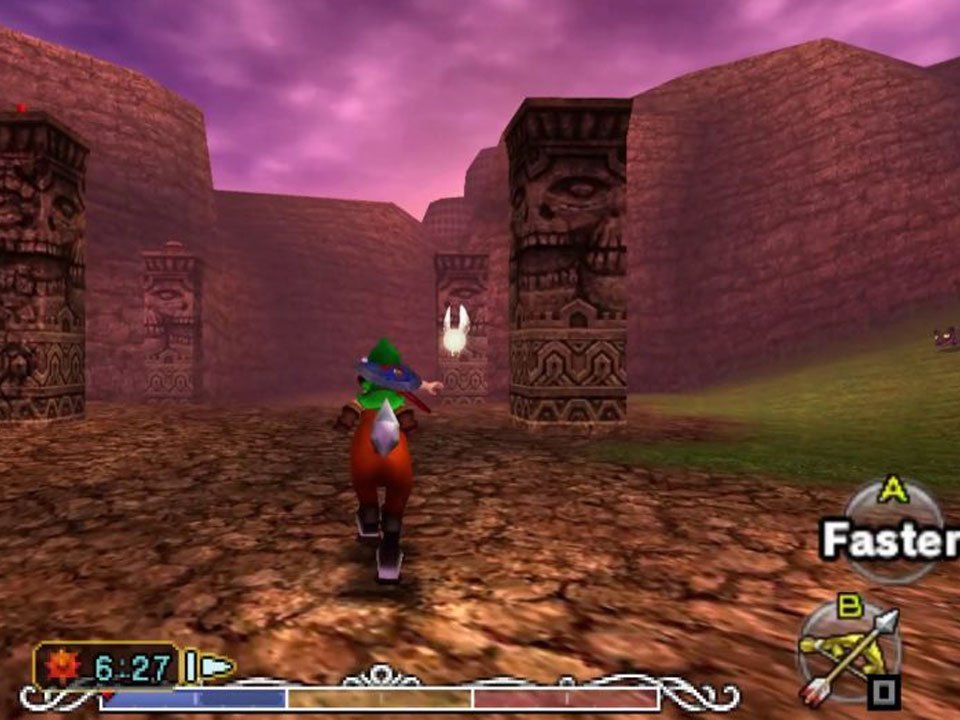
- Ikana Canyon (Acceptance): A barren land of the dead where Link finally receives the Elegy of Emptiness. In this desolate region, there is no longer a struggle against the inevitable—only the quiet recognition and acceptance of what has been lost.
More Than Just Masks
What has always struck me about Majora’s Mask is how the transformation masks reinforce a profound sense of lost identity. Every time Link puts on the Deku, Goron, or Zora mask, he lets out an excruciating scream of agony. It is not a charming magical transformation—it feels like the painful birth of a new persona forced over the corpse of someone who failed.
The three-day cycle heavily amplifies this existential urgency. You help an NPC, solve a deep-seated crisis, play the Song of Time, and everything resets to zero. The person you just comforted no longer even knows who you are.
This ephemerality is the true heart of the experience. It teaches us that sometimes, the struggle isn’t about altering the ultimate outcome, but about finding meaning in whatever time we have left.
A Game That Ages Alongside the Player
Back in the Nintendo 64 era, most of us were either stuck on the head-scratching puzzles of Stone Tower Temple or terrified by the unsettling face on that falling Moon. Revisiting it today, however, completely shifts your perspective. Majora’s Mask is fundamentally an exercise in empathy—it isn’t about playing an invincible hero, but rather serving as a vessel for the sorrow of others.
Nintendo has never officially confirmed the 5 Stages of Grief theory, but the true power of art lies in what it evokes within us. Whether Termina is a purgatorial hallucination or simply a doomed parallel world hardly matters. The reality remains: no other Zelda entry has managed to feel so deeply human while confronting something as dark as the end.
Technical Specifications
Platforms: Nintendo 64, GameCube (Collector’s Edition), Wii / Wii U (Virtual Console), Nintendo 3DS (3D Remake), Nintendo Switch (Nintendo Switch Online + Expansion Pack)
Developer / Publisher: Nintendo
Original Release Year: 2000 (N64)