

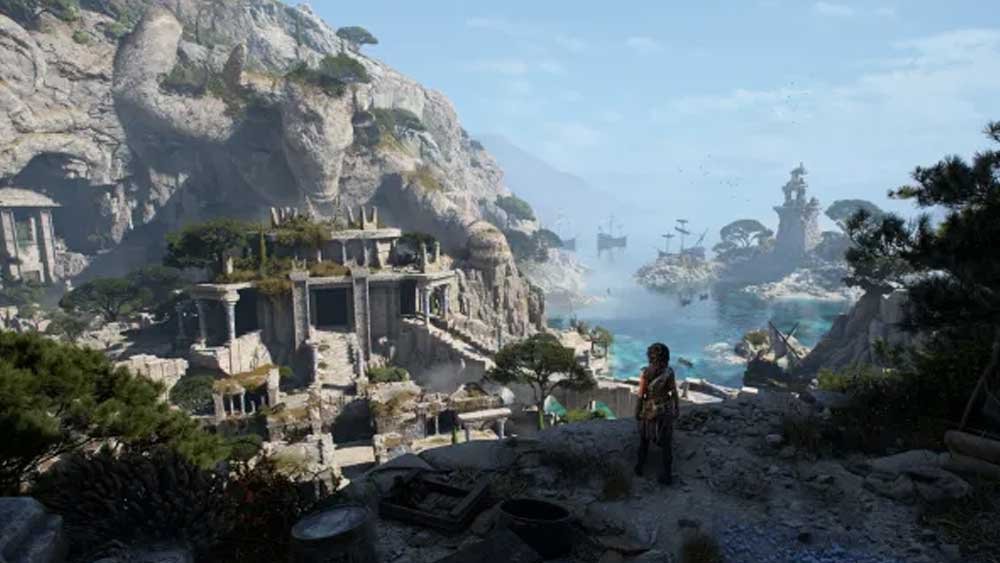
Resonance: A Plague Tale Legacy steps into dangerous territory. Following the emotional devastation and suffocating tension of Innocence and Requiem, this standalone spin-off attempts to expand the franchise by shifting its lens toward Sophia’s past. While the transition into a Greek mythology-infused archaeological action-adventure delivers jaw-dropping vistas, it fundamentally misses what made the series unforgettable.
A Shift in Style: Action Over Agony
The most striking change in Resonance is its complete tonal pivot. The oppressive atmosphere, psychological horror, and constant dread that defined the De Rune siblings’ journey have been replaced by grand-scale exploration and high-octane set pieces.
Instead of creeping through plague-ridden alleys, you spend the majority of your time traversing sun-drenched ancient ruins and navigating physical obstacles. The game trades the franchise’s unique identity for a formula that feels uncomfortably close to a generic Uncharted or Tomb Raider clone.
Combat, Pacing, and the Problem with Sophia
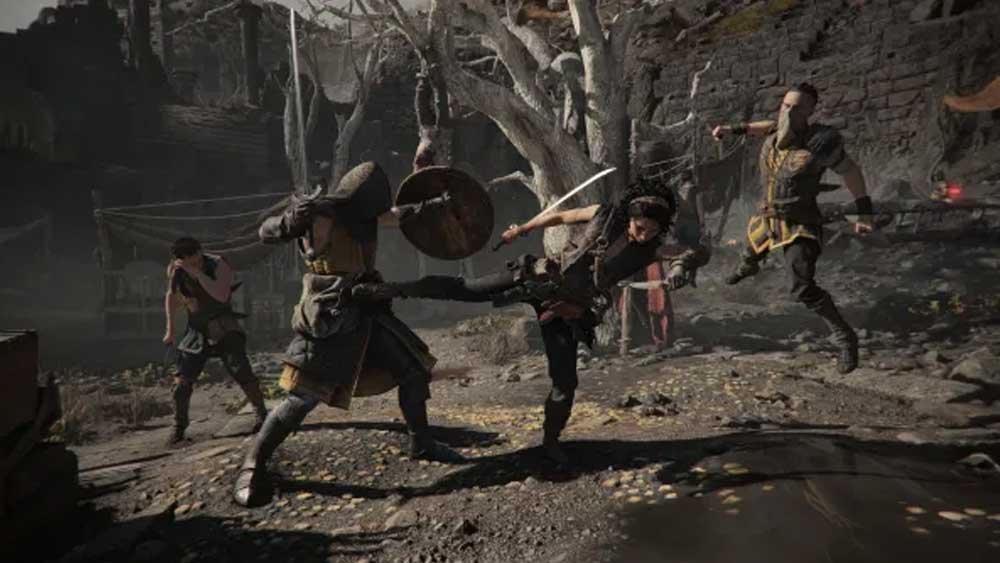
Controlling Sophia fundamentally alters the survival-horror dynamic. Where Amicia felt vulnerable—forced to rely on slingshots, alchemy, and clever positioning—Sophia is an agile, battle-tested warrior with a formidable combat kit.
- Overpowered Mechanics: Equipped with direct sword-fighting abilities and high mobility, Sophia trivializes encounters that used to demand patience and strategy.
- Repetitive Encounters: Melee combat quickly devolves into repetitive button-mashing, lacking both weight and variety.
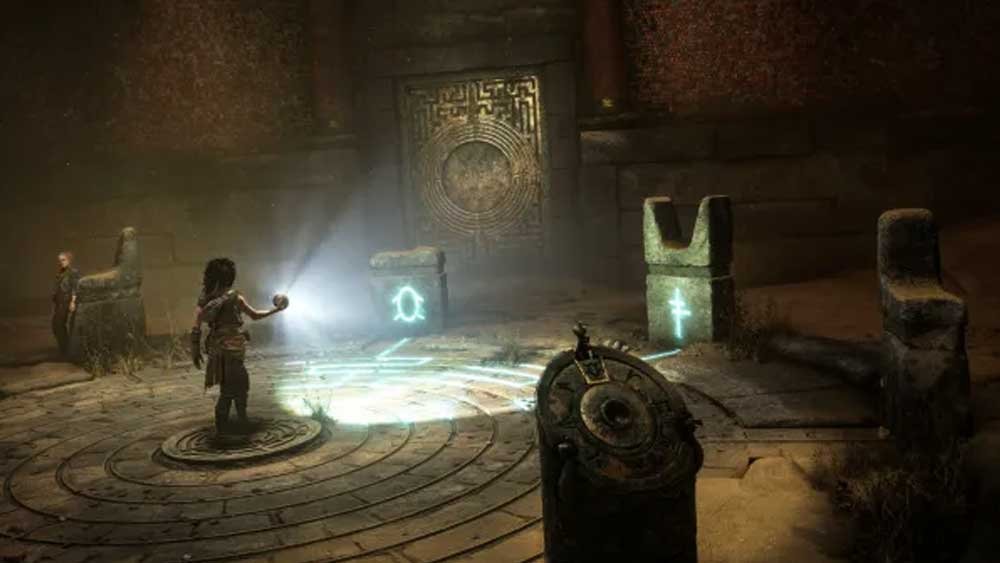
- Tame Puzzles: The franchise’s iconic light-and-shadow puzzles have been simplified, offering little intellectual challenge or tension.
Where Are the Rats?
The most disappointing omission for long-time fans is the near-total absence of the series’ signature mechanic: the rat swarms.
Without thousands of rats surging through the shadows, the environmental hazard that once defined level design is gone. Dark corridors no longer evoke panic, and the verticality of levels feels entirely aesthetic rather than a fight for survival. The environments are undeniably gorgeous, but they feel completely safe.
Narrative Impact: Missing the Emotional Core
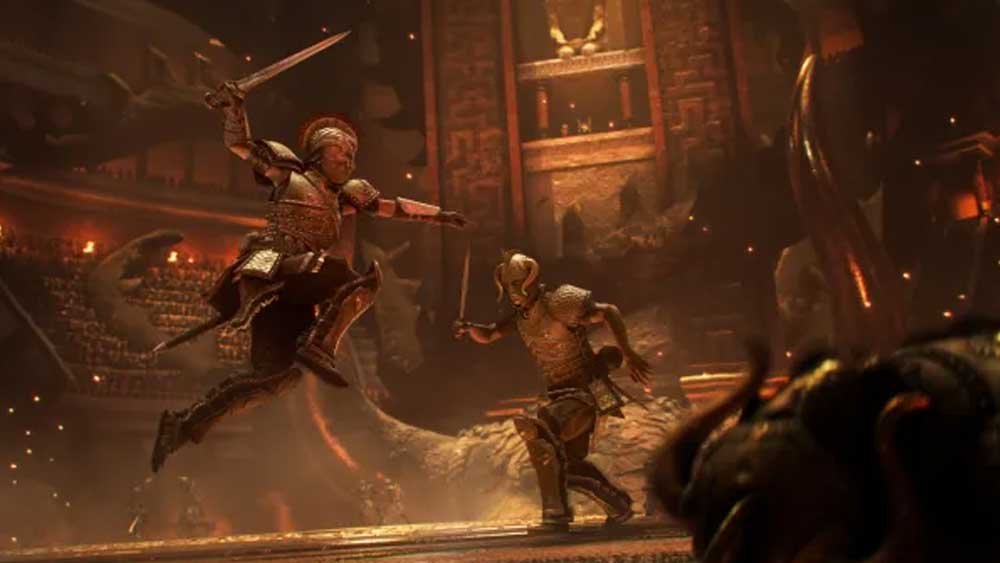
At its heart, A Plague Tale was always a story about desperation, love, and protection. Resonance struggles to find that same emotional anchor.
Sophia’s backstory and her dynamic with secondary characters fail to generate the raw, tragic weight of Amicia and Hugo’s bond. The supporting cast feels underdeveloped, leaving narrative beats feeling distant rather than personal.
Top Gear for Cinematic Gaming
To fully appreciate the breathtaking visual presentation of Resonance, consider upgrading your setup:
- PlayStation DualSense Wireless Controller — Enjoy tactile feedback during combat and exploration. [Check Price on Amazon]
- 8BitDo Ultimate Wireless Controller — Crisp inputs and ergonomics for PC action titles. [Check Price on Rakuten]
If evaluated strictly as an isolated action-adventure game centered on ancient myths, Resonance: A Plague Tale Legacy is a visually striking, moderately entertaining ride. But as an entry in A Plague Tale universe, it abandons the visceral anguish and desperate tension that gave the brand its identity.
Did Resonance hit the mark for you, or do you miss the original survival-horror tone? Let us know in the comments below!