A small indie production from a husband-and-wife team tries a different path for educational games: the right answer is what keeps the action going.
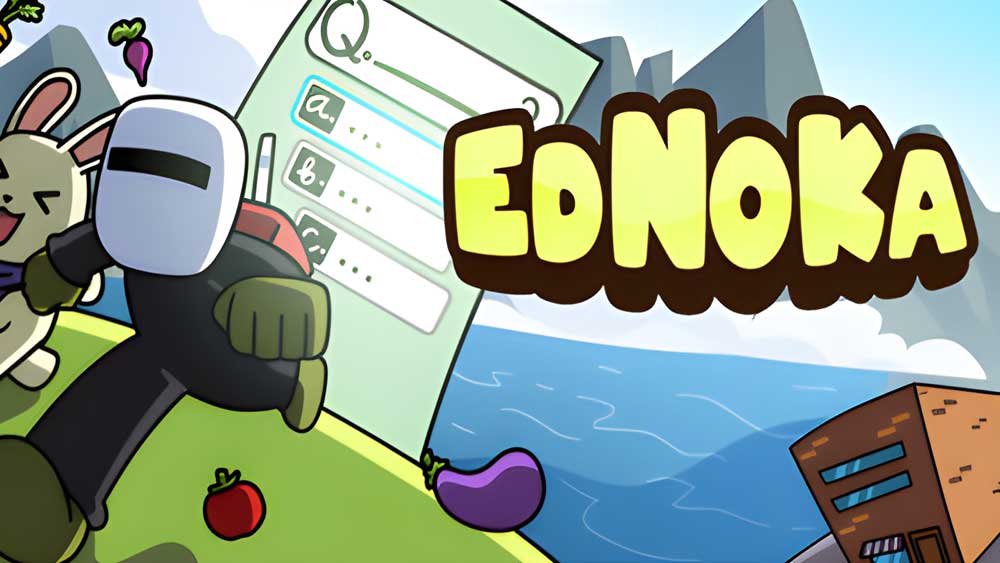
Educational games often struggle to balance teaching and fun. Too many boil down to answering questions or solving exercises that look a lot like a regular class. EdNoKa, a small independent production made by Edouard and his wife, tries something else: it makes learning part of the gameplay. The free demo has five minigames in very different styles, and in each one, correct answers help you move forward. Whether you’re in a platformer, searching a city or tending a small farming island, knowledge becomes part of the action.
The game is aimed at kids from 8 to 11, but its mix of genres and integrated quizzes may appeal to anyone curious about a different take on educational games. After trying the demo, my impression is that EdNoKa has a good idea and knows how to use it. The games aren’t especially complex, but they are small experiences that make learning more engaging.
A Simple, Accessible Presentation
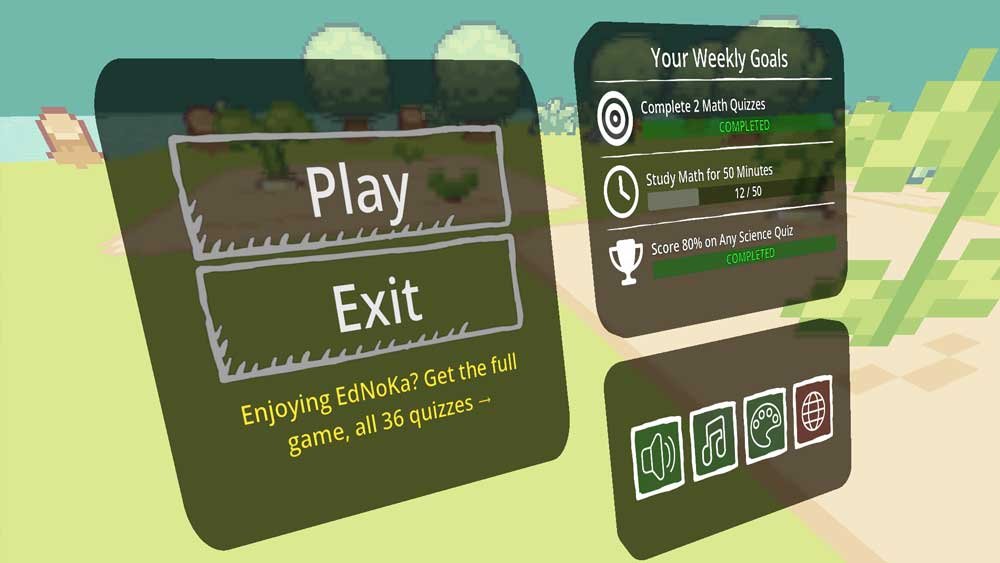
The menu is minimal, with just Play and Quit, and the game is available in English and French. One detail I liked is “Your Weekly Goals,” a section with three learning targets, such as completing two math quizzes, studying math for 50 minutes or scoring 80% on a science quiz. It reinforces the educational purpose and encourages kids to keep practicing.
The presentation is functional: big letters, short instructions and controls that are always visible on screen. Before each minigame, there are illustrated explanations using images from the game itself, and you can reread them or leave the match at any time. The soundtrack is soft but has personality, and it changes with the game you pick, which helps each minigame feel distinct.
About the Controls
EdNoKa is played on a keyboard and doesn’t support controllers like the Xbox pad. I had some trouble adapting at first, especially because of how often the S and D keys are used, but I don’t see this as a problem. If anything, it’s a positive. Today there’s a tendency to believe the phone can do everything a computer does, but using a computer involves skills that go beyond smartphones. I know this from experience: my wife is a computer teacher, and she is often asked why anyone should learn to use a computer when a phone seems enough. Getting kids used to a keyboard is a good thing, and the controls here are simple and well explained.
Five Games, Five Ways to Learn
The main strength of EdNoKa is its variety. These are the five minigames in the demo:
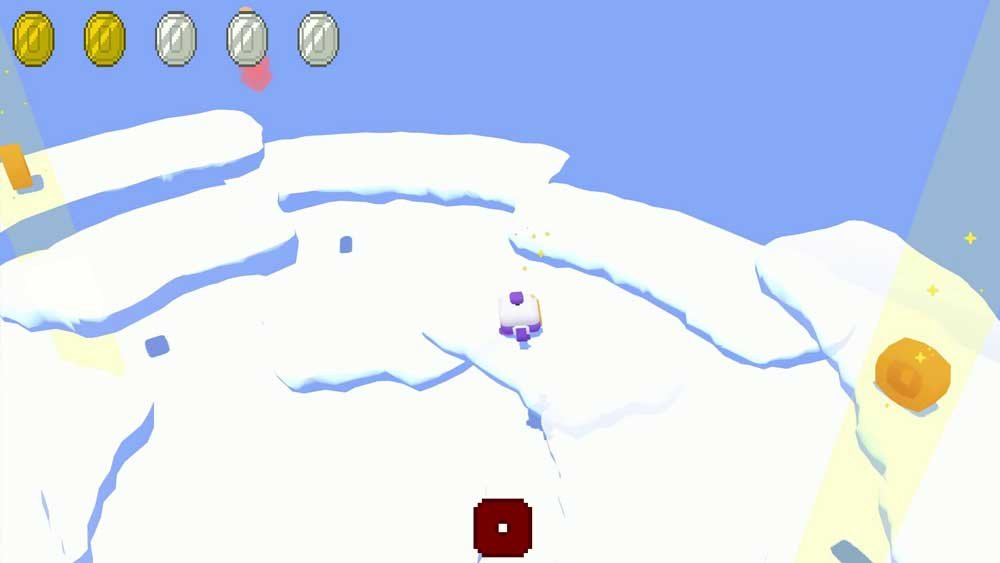
Aerial Ambush is a 3D platformer with arc-shaped platforms at different heights. Correct answers reduce the number of missiles, and you jump, run, dodge and collect coins while filling a bar to complete the challenge. It’s simple, but it combines movement and questions directly.
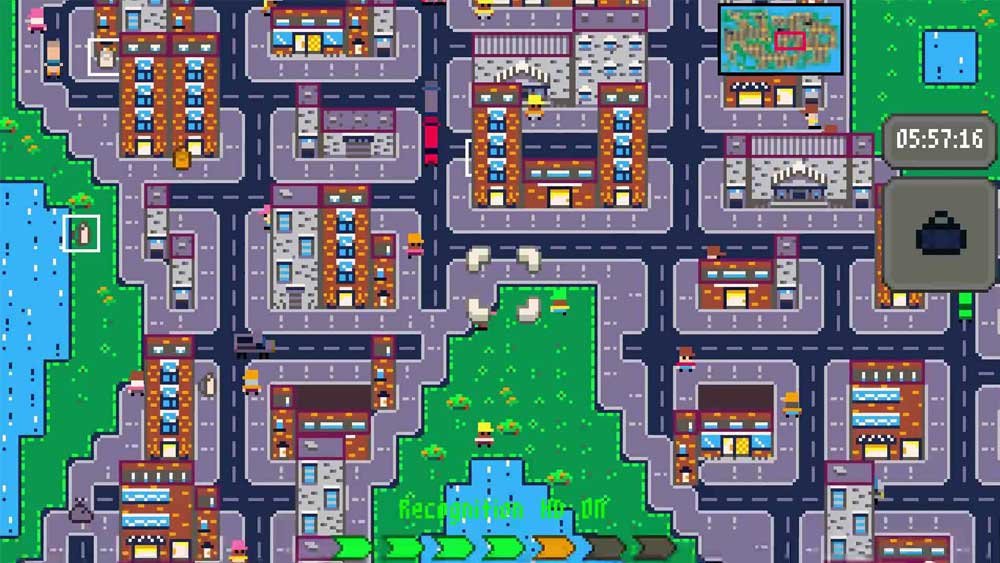
Agent Ka was the hardest one for me. You search a busy city for specific people, with a character describing each target beforehand. Some clues show the direction, and others show a small picture of the target and where they are. The challenge is that almost everything moves: cars, pedestrians and even the target. It feels like those hidden-character games, and it trains observation and attention, but it was the game where I had the most trouble keeping up. After you find each person, you answer a quiz question and continue.
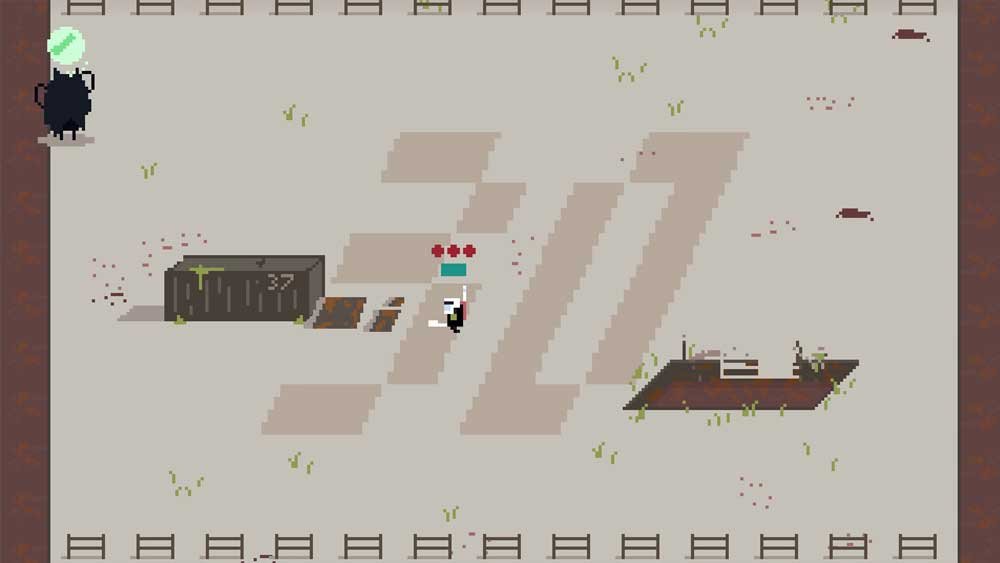
Base of 30 is an action game with a sword. You defeat the enemies that appear, a totem shows up for the quiz, and then new waves arrive. The simple style reminded me of ninja action games like Ninja Gaiden, and I liked how directly it mixes combat and knowledge.
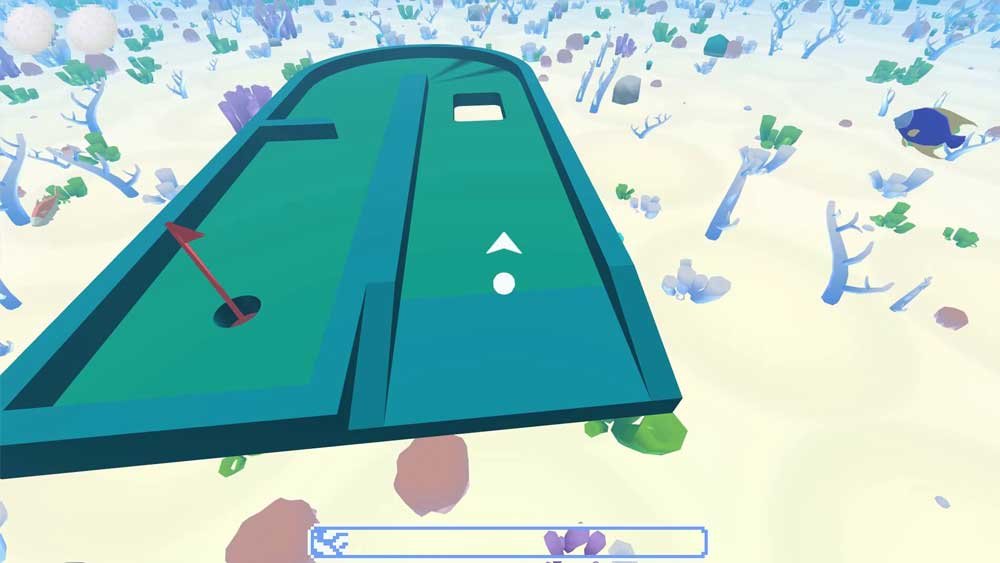
Pico Golf was the one that caught my eye visually: an underwater 3D mini golf course with fish and sharks passing by. You aim, choose the strength and sink the ball, and correct answers give you extra balls. There’s also a water bar to fill to win. The questions don’t feel like a separate activity, because they directly affect your chances of continuing.
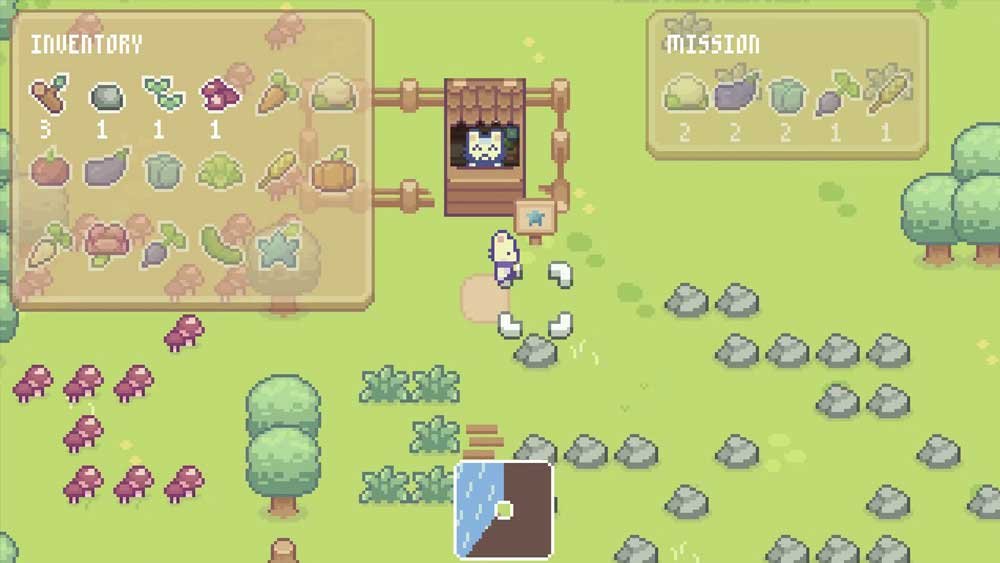
Veggies Island was my other favorite, with a cozy look and a lesson in farming, gathering resources and plant growth cycles. You explore a small island, cut trees and break rocks for materials (a carrot needs sticks and stones, for example), craft seeds, dig, plant and water. A rain timer is tied to the quiz: when it ends, you answer a question, and if you get it right, it rains and the plants grow. The inventory tracks what you’ve collected, and the goal is to grow five specific ingredients. It combines exploration and resource management in a very natural way.
The Quizzes
After choosing a game, you pick the quiz topic. The demo offers six topics: Dinosaurs, Fractions, Idioms & Expressions, Multiplication Tables, Solar System & Planets and World Flags. The variety shows that EdNoKa covers different areas of knowledge.
According to the developers, the full game will feature 36 quizzes and 3,600 questions, with 100 questions per quiz. They also say each question is individually reviewed. The topics cover math, science, social studies and language, with pictures accompanying questions to make subjects like flags and dinosaurs more engaging.

In my matches, I noticed that some text-based questions require fairly quick reading. Since I’m not fully fluent in English, I had more trouble with them, while math and flag quizzes, which depend less on reading English, went better. Longer questions can make the time limit more challenging, especially when reading speed becomes part of the experience. I can’t say whether the timing is right for the intended audience based on my experience alone, but it’s an aspect worth watching.
What I like is how quiz answers influence the gameplay in different ways. For example, correct answers can reduce attacks in Aerial Ambush, earn extra strokes in Pico Golf or make it rain in Veggies Island. These are just a few examples of how the quizzes are connected to each game’s mechanics, rather than feeling like a separate activity.
Careful Testing and Polish
The developers told me they put a lot of care into testing each build and catching issues during development. That attention shows in the public demo: I didn’t encounter any bugs or technical problems during my playthrough.
It’s a small detail, but it contributes to the overall impression. The five activities feel distinct, and I was able to focus on trying them out without being interrupted by technical issues.
Is EdNoKa Worth Trying?
The demo gives a good taste of what EdNoKa is going for. The games are not particularly deep, but they show how knowledge can fit into very different kinds of play. The instructions are clear and the music gives each experience a personality. A couple of things could be adjusted, like the time given for some questions and the initial adjustment to the controls, but the idea is interesting and shows care in making learning part of the gameplay.
EdNoKa could be a good option for parents and teachers who want a different way to work on knowledge with kids. More than a sequence of exercises, it offers small experiences that encourage the player to learn while playing.
For parents, EdNoKa also promises a few reassuring features: single-player gameplay, no chat, no ads and no in-game currency. A Parent Hub lets adults see which quizzes children have played and how they performed. I’m curious to see how it develops in the full version, which is planned for December 17, 2026.
The free demo remains available on Steam, so you can try all five minigames at your own pace.
Play the free EdNoKa demo on Steam.
Disclosure: the developer contacted QG Reloaded. I played the free public demo, without a press key, and this post was not paid for.
As an Amazon Associate, QG Reloaded earns from qualifying purchases.