If you grew up playing the Sega Genesis in the early ’90s, you likely stumbled upon a deliberate, brutally difficult, and slightly bizarre side-scrolling brawler called Last Battle. What many Western gamers didn’t realize back then—and what stands today as one of the most famous trivia facts of the 16-bit era—is that the game was actually a severely mutilated version of one of manga and anime’s most iconic sagas: Hokuto no Ken (Fist of the North Star).
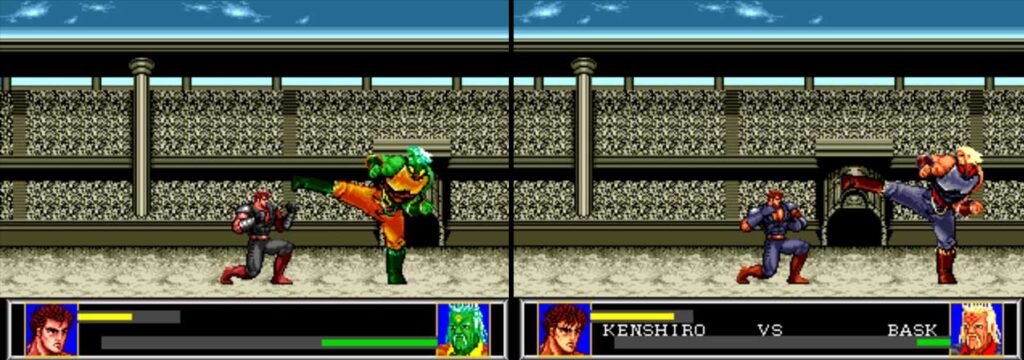
The transition of the game from the Japanese market to the West serves as a perfect case study on cultural clash and the heavy censorship that dominated the video game industry at the turn of that decade.
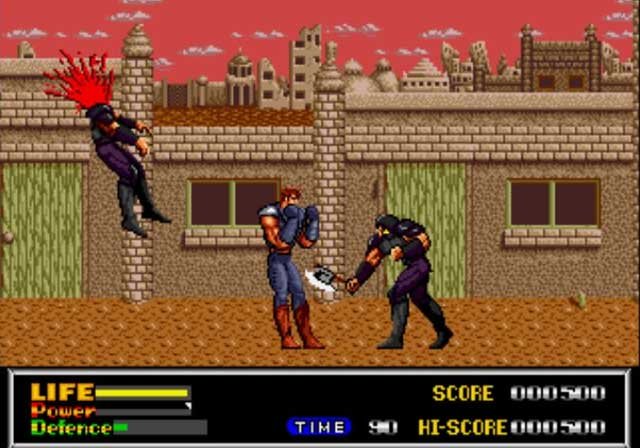
The Japanese Original: Unfiltered Blood and Authenticity
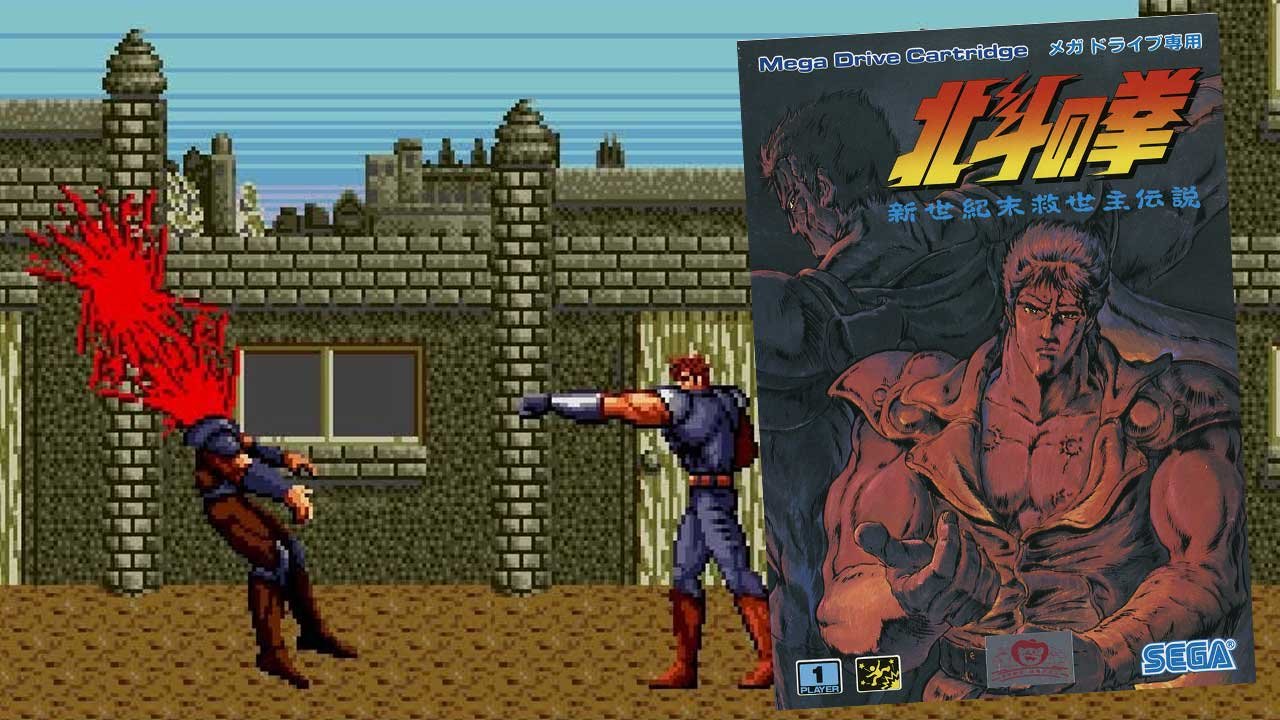
Released in Japan as Hokuto no Ken: Shin Seikimatsu Kyūseishu Densetsu (roughly Fist of the North Star: The Legend of the Savior of the End of the Century), Sega’s title was engineered as an uncompromising celebration of Buronson and Tetsuo Hara’s dark masterpiece.
The game specifically adapted the Tentei (Celestial Emperor) and Shura no Kuni (Land of Shura) story arcs. For Japanese fans, it delivered an authentic interactive adaptation:
- Manga-Accurate Character Design: Players directly controlled Kenshiro in his iconic post-apocalyptic leather gear.
- Overpowering Combat: The side-scrolling beat ’em up gameplay captured Kenshiro’s unstoppable physical presence and martial arts mastery.
- Uncensored Visceral Violence: True to the source material, striking key pressure points (tsubo) via Hokuto Shinken techniques caused enemy heads and bodies to swell, distort, and violently explode in showers of pixelated blood.
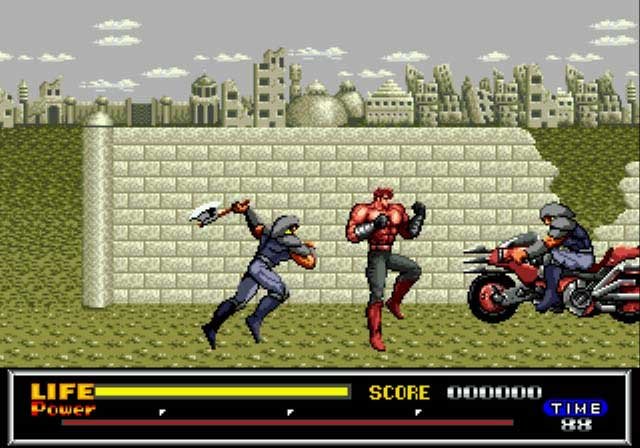
The West: Enter Aarzak and the Forced Sanitization
When Sega decided to bring the game to North America and Europe in 1989 under the title Last Battle, the landscape shifted drastically. Fearing severe backlash from concerned parents and regulatory pressure in an era preceding the ESRB (which would not be established until 1994), Sega chose to strip the game of nearly all its defining identity.
This aggressive localization butchered both the substance and soul of the original release:
- Erased Identities: Kenshiro was renamed “Aarzak.” His iconic allies and arch-nemeses were similarly rebranded with generic Western names to sever any obvious ties to the Japanese intellectual property.
- Extreme Censorship: The combat’s core mechanical feedback was gutted. Instead of swelling and violently exploding in true pressure-point fashion, struck enemies simply flew off-screen like standard cartoon henchmen.
- Altered Color Palettes: To ensure players couldn’t easily link the characters to their anime counterparts, character sprite colors were altered. Kenshiro’s iconic dark outfit was replaced with washed-out color combinations that disfigured his original design.
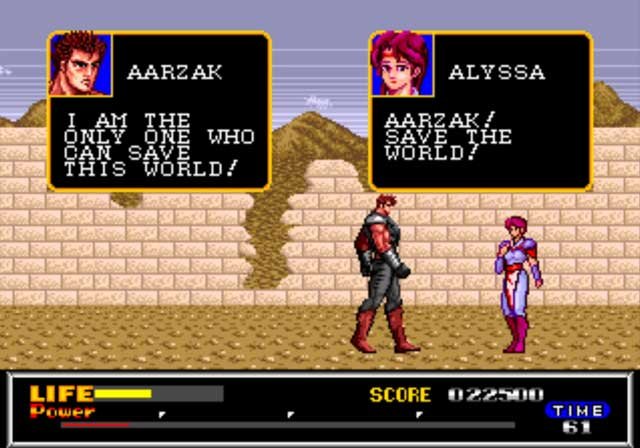
The Legacy of a Butchered Classic
The result of this localization was a game that felt entirely out of place. Stripped of the dramatic narrative weight and signature ultraviolence of Hokuto no Ken, Last Battle arrived in the West as a generic, stiff, and relentlessly punishing action title. The deliberate, heavy-set gameplay—which was already clunky by design—lost the gory aesthetic spectacle that originally justified its existence in Japan.
Looking back today, Last Battle stands as a historic artifact from an era when game localization operated as a cultural whitewashing machine, attempting to sanitize Japanese media for Western consumers. Fortunately, times changed, and Western gamers eventually got the chance to experience the true, uncensored power of the hero with the seven star scars upon his chest.