
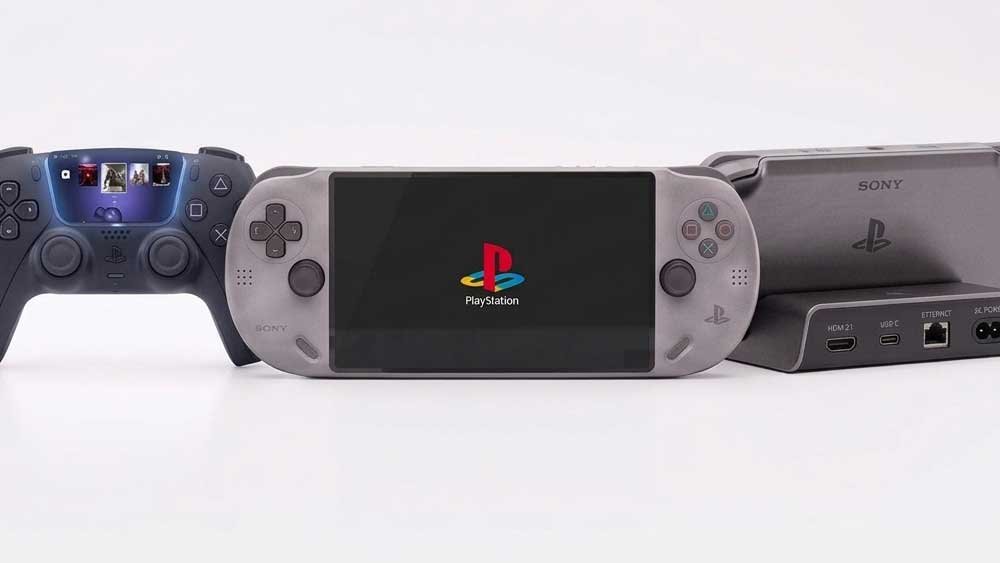
The video game industry is facing economic pressures and rapid technological shifts. Recent leaks and analyst reports point to two major shifts for Sony’s hardware pipeline: a potential $1,000 price tag for the PlayStation 6 and the development of a dedicated, native handheld system widely dubbed the “PSP 3” (or PS6 Handheld, codenamed Canis / Jupiter).
Together, these devices suggest a strategy centered on high-tier home hardware alongside a portable option for native gaming on the go.
The $1,000 PlayStation 6 Shockwave
The prospect of a $1,000 home console is no longer an exaggeration among industry analysts. Rising production costs for next-generation silicon, advanced Ray Tracing acceleration, and premium memory architectures (like GDDR7 and LPDDR6) have placed significant pressure on console margins.
- Hardware Cost Inflation: Cutting-edge chip fabrication on 2nm/3nm nodes and high-bandwidth memory chips continue to drive up manufacturing costs.
- Shift Away from Heavy Subsidies: Sony has shown an increasing reluctance to sell hardware at deep losses.
- Potential Market Resistance: Industry reports warn that pushing hardware past the $900–$1,000 threshold could slow initial adoption rates, extending the lifecycle of current consoles like the PS5 Pro.
The “PSP 3”: Leaked Specifications and Features
To offset high entry costs for flagship consoles, Sony is reportedly developing a standalone portable device—a true native successor to the PS Vita, moving beyond remote-play devices like the PlayStation Portal.
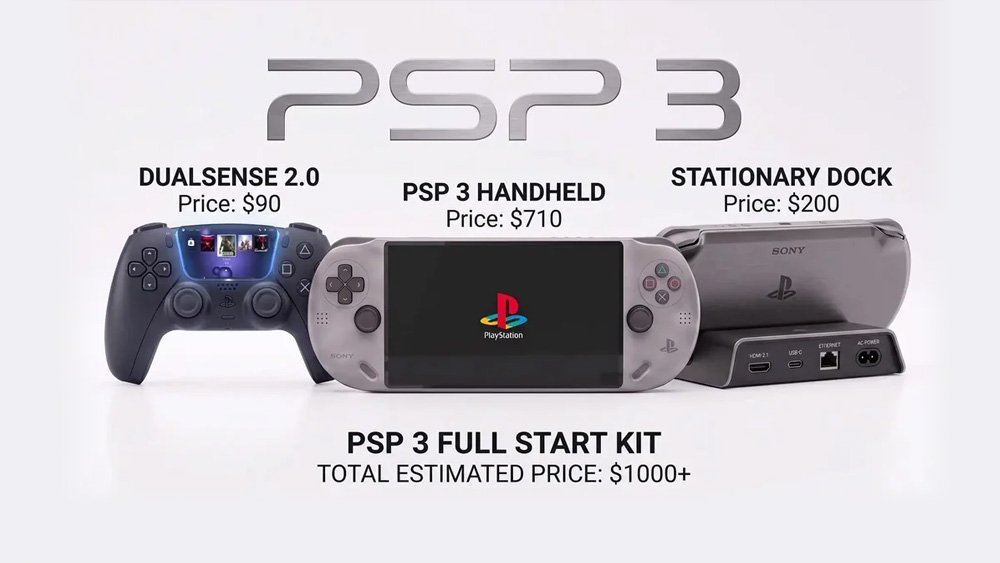
Leaked hardware details and insider reports paint a clear picture of the device’s technical direction:
- Custom AMD “Canis” APU: Powered by a custom AMD processor built on an efficient 3nm process, designed with a 15W Thermal Design Power (TDP) target similar to modern gaming handhelds.
- GPU & Compute Architecture: Expected to feature an RDNA-based GPU with up to 18 Compute Units (CUs), balanced to run titles efficiently without excessive power draw.
- Native PS4 & PS5 Compatibility: The chip aims to support native execution of PS4 titles and patched, lower-power profile versions of PS5 games.
- Display & Performance: Rumored to feature a 1080p display with support for up to 120Hz refresh rates, Variable Refresh Rate (VRR), and AI-driven upscaling (such as PlayStation Spectral Super Resolution).
- High-Speed Storage: Outfitted with fast NVMe SSD storage (with leaks indicating up to 7.5 GB/s transfer rates) to eliminate loading times and support direct streaming of assets.
- Battery & Low-Power Mode: Estimates point to a 3- to 5-hour battery life for heavy PS5 titles, extending up to 7 hours for indies or optimized PS4 releases using dedicated power-saving profiles.
- Docked Mode Enhancement: Much like the Nintendo Switch, the system may support a docked mode that unlocks higher clock speeds and output resolutions when connected to a display.
Strategic Implications for Gamers
If these leaks materialize, Sony’s hardware lineup will undergo a major shift:
- Tiered Hardware Ecosystem: The PS6 will target ultra-enthusiasts demanding peak performance at premium prices, while the “PSP 3” provides an accessible, flexible alternative.
- Extended PS5 Longevity: A high price tag for next-gen home hardware means the PS5 family will likely remain supported with cross-gen software well into the late 2020s.
- Direct Competition in Handhelds: A dedicated portable gives Sony a direct response to the Steam Deck, ROG Ally, and Nintendo Switch 2.